













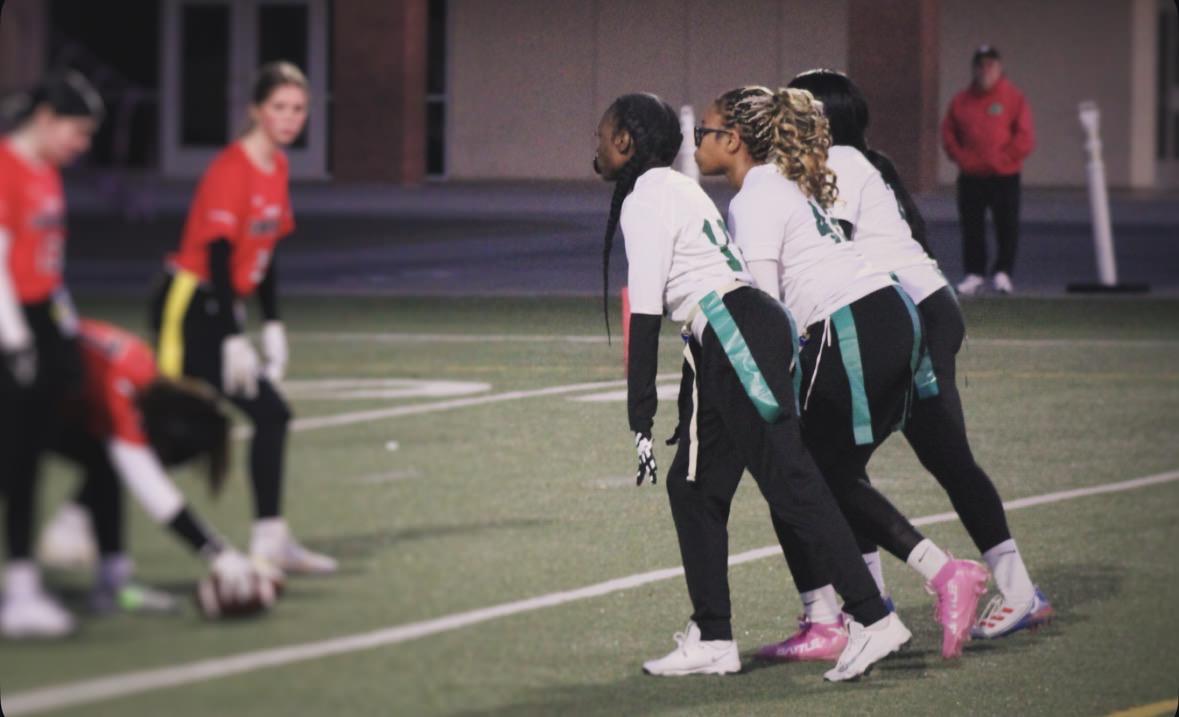



As a student athlete, balancing a life at an art school while making sure you have enough energy by the end of the school day can be quite tiring. To better understand these challenges, a few students were interviewed to share their personal experiences and struggles they face managing both academics and athletics.
Student Peyton Price explains that he finds it challenging to balance his academic responsibilities with the commitment to the sport he plays, particularly in managing time for practices. He mentions that participating in extracurricular activities outside of school, such as clubs and track events, is simpler. “When you do things out of school, it’s easier to be a part of clubs,” Price said.
Student Quenntien Miller discusses the challenges of balancing school and sport, including having to miss his last class due to early practices. “I usually don’t get to practice on time. So sometimes I gotta skip school, which misses my last period,” Miller said. Sometimes he deals with receiving late notifications about games, and the expenses of traveling. But despite the challenges he has, he appreciates the opportunity to practice early, which allows him to prepare before his games.
Another student, Jade Mathews, describes her struggle with balancing athletic commitments with academic responsibilities, noting all the workload and the need to manage schedules between her school, other school zones, and practice. She highlights the difficulty of fitting in major work and classwork after long practices. “The practices are long…you have to get home and do your major work, and then you also have to do poor class work. So it’s like…kind of a lot to figure out the scheduling,” Mathews said.
Overall, the students’ experiences show that balancing academics is challenging and requires strong time management skills. Peyton Price, Quenntien Miller, and Jade Mathews all face difficulties such as scheduling conflicts, missed class time, heavy workloads, and the demands of practice and travel. Despite these challenges, they continue to participate in sports because of the opportunities and benefits athletics provide. These perspectives highlight the need for better scheduling, communication, and support to help student athletes successfully manage both their academic and athletic responsibilities.