
















Earlier this month, the Trump administration removed a Pride flag at the Stonewall Monument in New York City on February 9, 2026. According to CNN, in a memo from the National Parks Service (NPS), director Jessica Bowron states that non-agency flags and pennants that aren’t the U.S. or Interior Department flag are prohibited.
To many people, the Stonewall Uprising is considered to be the catalyst for modern LGBTQ+ rights. On June 28, 1969, the Stonewall Inn was raided for the second time that week. At the time, this was a normal occurrence for gay bars in New York City, especially because homosexuality was considered illegal.
The raid on June 28 differed from the one earlier that week. The patrons of Stonewall fought back against the police officers. Thus, the fight between LGBTQ+ people and the police officers was on. The riots continued for five to six days after the raid, eventually concluding at the beginning of July.
After the uprising, the Stonewall Inn became a symbol of LGBTQ+ people’s resistance to political and social discrimination. In the 1970s, many gay rights agencies grew and opened.
On June 24, 2016, President Barack Obama designated the Stonewall Inn a national monument, thereby solidifying the bar’s importance to the LGBTQ+ community. This followed the Pulse nightclub mass shooting in Orlando, Florida, on June 12, 2016.
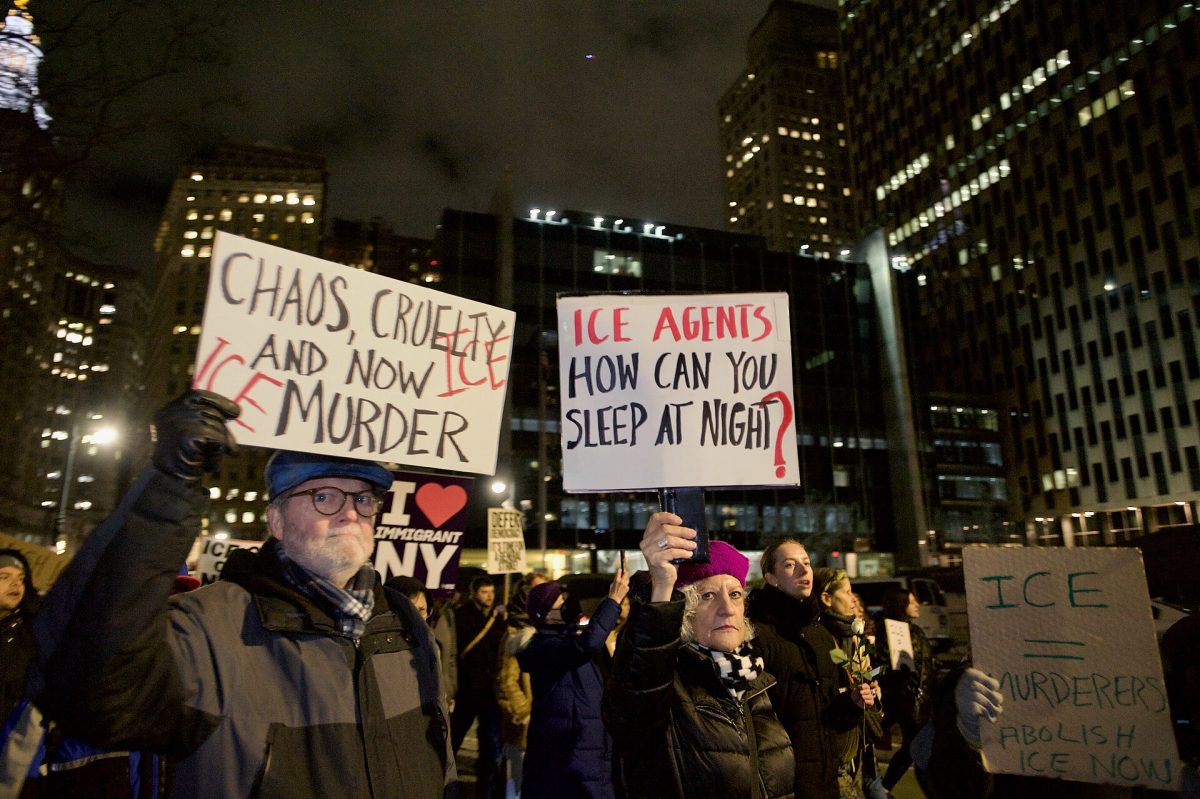
Even today, Stonewall is a symbol that LGBTQ+ people won. People were outraged when President Trump’s administration removed the Pride flag from the monument.
Although the flag was raised again on February 12, 2026, the activists were not pleased that the American flag was above the Pride flag. In a quote from USA Today, Jay Walker says, “So it ended up being with the American flag overshadowing our flag, and our community was incensed.”
The crowd, including Walker, then used zip ties to raise the Pride flag higher than the American flag. The significance of what occurred at the Stonewall Inn decades ago will always be important to the LGBTQ+ community.