
















Climate change has affected a lot already, and there are many more parts of the environment it affects as well. Due to man-made dams or canals, rising temperatures, and overfishing, monitored migratory fish across the world have had their population plummet by almost 80% within the last 50 years by 2024, as signaled within The 2024 Living Planet Index (LPI).
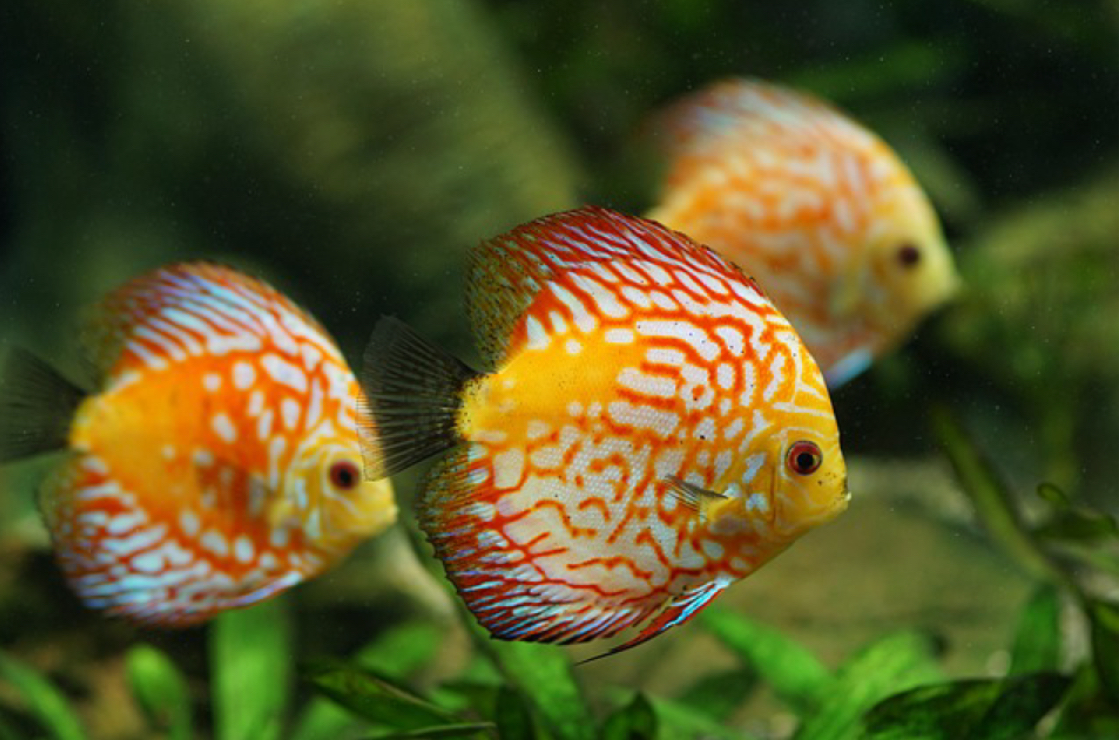
Quite often, the benefits of freshwater fish are overlooked in the news; not many think of fish as anything but dinner served smothered in lemon butter or on rice in sushi, but they have much more of an impact on the ecosystem than one might think.
For example, freshwater fish can increase diversity in many aquatic ecosystems, they serve as food sources for plenty of predators, including humans, and even provide food to millions worldwide every year through freshwater fisheries.
Because of the lack of information shared about freshwater ecosystems, especially in terms of fish, many people don’t know how many fish are affected by climate change, and how much it hurts us, through our global food security, or even our economy. Because of how under-appreciated our underwater habitats are, there are hundreds of billions of dollars plotting to disappear thanks to rising temperatures worldwide, and it isn’t just climate change, either.
The Pak Mun Dam on the Mun river in Northeastern Thailand was previously considered the most damaging dam development project due to its destructive nature and its economic and ecological impacts on the ecosystem, up to a point where locals began protesting to permanently open–and hopefully disassemble–the dam.
While the government opens the dam for four months each year for fish to swim upstream and reproduce, fishermen in the area have still reported a decrease in caught fish and harm done to the fish’s migration patterns.
The majority of freshwater fish are generally split into multiple categories. Coldwater fish, such as the Chinook Salmon, or lake trout and many more, and warmwater fish, like goldfish, bluegill, and carp. Some studies show that warm-water environments are critical factors in protecting cold-water fish, although it’s important to note that they need both, according to NOAA Fisheries.
With temperatures on the rise, coldwater ecosystems could be greatly damaged. Many fish would need to migrate north to avoid warmer temperatures, and the success of invasive species that thrive in warm temperatures, like the alewife or zebra mussels would significantly increase. The alewife and zebra mussels, mind you, that were predicted by the U.S. Fish and Wildlife Service to have been brought to the lake by human-built canals, although there is no set agreement on how they entered the ecosystem.
So, how can we help? Here’s some things to consider. First, if able, getting involved with the U.S Fish & Wildlife Service by volunteering or taking part in education programs, or donating to places like World Wildlife whereas donations are directed to support science, research, and animal study. If neither option is available for whatever reason, merely being educated on this topic and supporting the people that research and work towards helping our endangered species like freshwater fish can help our environment.