













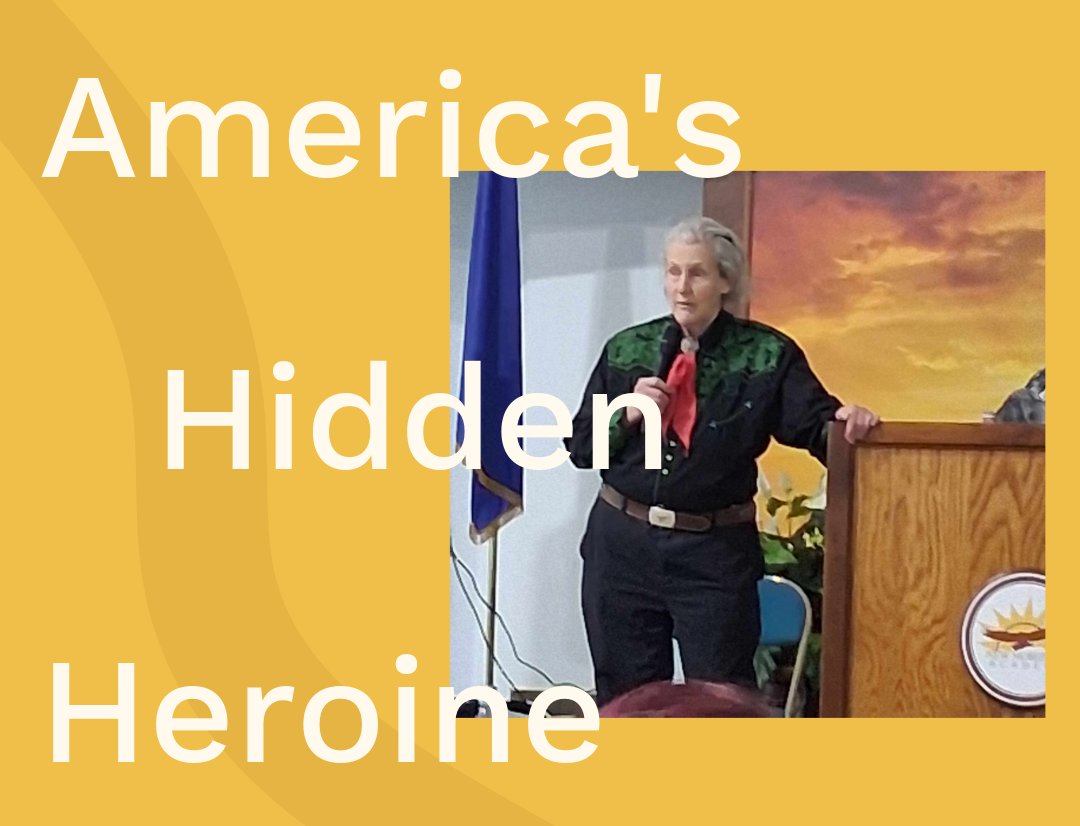
Not many people know who Temple Grandin is. For some, she’s just a name on an untouched book or a faceless celebrity. However, those who know Grandin know her as a smart, funny, and influential person. Temple Grandin, in a way, is an unseen hero for many students here at LVA. Why? Because Grandin is one of the reasons people are more aware and accepting of disorders such as autism.
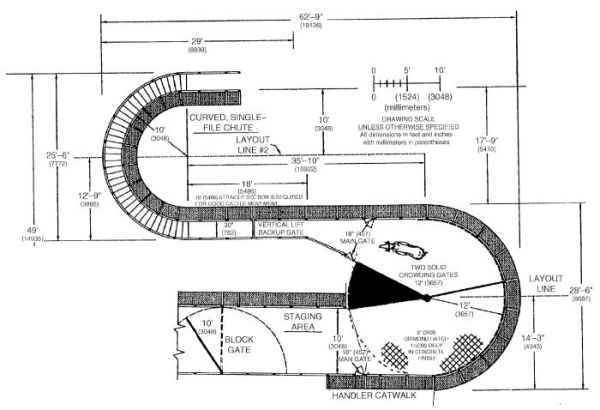
Currently, Temple Grandin is 78 years old. She has improved how people view neurodivergent individuals and created a more humane process for acquiring steak. Temple was diagnosed with autism at age three and has always been a quick thinker. Temple has described herself as a visual thinker, meaning she thinks in pictures. During a recent conference, Temple explained that there are many different ways people with autism think, each with their own strengths and weaknesses. Her visual thinking has helped her to be good at building and drawing. She was able to learn how to do something just by watching someone else do it for a small amount of time. Today, the way cows are processed into meat is a humane system in which the cows don’t die in fear, and before the Temple revolutionized it, cows often died in fear. Temple was often ostracized by her peers because she spoke and acted in a way they were unsure of. This caused her to connect more with animals. Temple saw the flaws in the system for both humans and animals and used her unusual way of thinking to fix them.
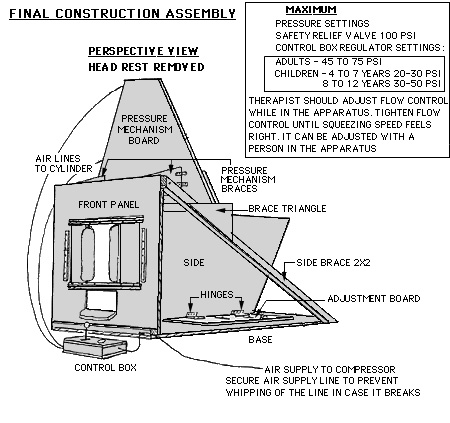
One of the ways that Temple’s autism helped her understand cows is through what is known as a Cattle Squeeze chute. As a child, Temple hated to be touched or hugged. She didn’t like the lack of control she had over the pressure being applied. However, one day on her Aunts ranch, she noticed that some cows could be calmed when placed in a cage-like structure. A Cattle squeeze chute. After testing it on herself, Grandin discovered that the machine helped her with her hypersensitivity, and she liked the fact that she could control the pressure being applied to her. This inspired her to create a similar machine that she called the squeeze machine. At first, her device was met with disapproval; her college counselor assumed that the machine was for sexual purposes. They even confiscated and destroyed her original design. Temple refused to return to the school without her machine. She eventually convinced the board to let her keep it after conducting an experiment where she surveyed students in her college about the machines’ effects. A large percentage of students reported the machine had calming effects, so her teachers let her keep it. Temple’s design for the squeeze machine is now used globally for neurodivergent kids and adults.
After her work in the cattle industry was complete, Temple’s attention was drawn to helping people with autism, specifically young children. She often speaks out at conferences about autism awareness and ways to accommodate students. Recently, a writer at Accolades had the opportunity to attend a conference where Temple was speaking. One major point in her speech was about exposing kids to different types of experiences, even if they were mundane chores like buying groceries.
“One time, I ran into a 12-year-old girl and her mother at one of the airports, and I wanted a picture. And I asked the 12-year-old girl, and she’d never shopped. So I gave her a $5 bill, and I said, you see that shot right there? Go buy something. The shop was about as far as that wall. It was right there. See, it’s right from the gate. We were on the same flight. She went into that store, she bought a drink, and brought back change. That’s the first time she’d never shopped by herself. This is ridiculous. And I said to moms, the next time you pump in a gas line, you give them a five and send them into the shop to buy milk. You’re right there. You can see under the shop,” said Grandin.
Before the conference, we interviewed Temple. When asked what she would like to tell the students, LVA Temple responded: “If you could develop the kids’ strengths? You know, some autistic kids are visual thinkers. They’re gonna be good at art, and they’re gonna be good at building things, fixing mechanical things. Then you have your mathematicians, they think in patterns. And then you have your word thinkers. That was the thing. My ability in art. My mother always worked on developing my ability in art. Take the thing the kids are good at and develop that, because that’s something they could turn into a career,” said Grandin.
Temple Grandin is a hero in both the cattle industry and the neurodivergent community. Her work has inspired millions; she has spent her life working to make the lives of both humans and animals better. Her work has inspired multiple documentaries as well as a movie on HBO MAX, simply titled “Temple Grandin.” If you’d never heard of Temple before, you do now.