














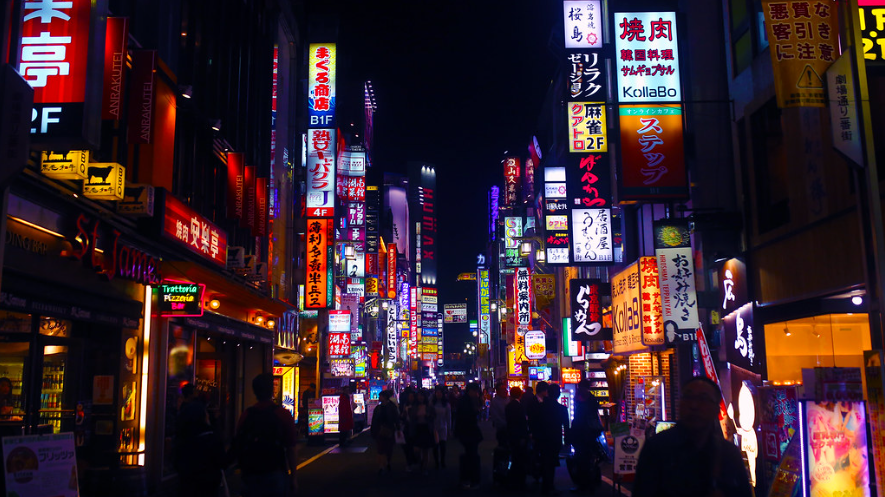
Have you ever wondered about the differences in daily lives and societal norms in different cultures? Well, I decided to do some research on Japan, one of the cultures I’m most interested in learning more about. I aim to discover unique traditions and social differences that shape everyday lives in Japan. The first thing that I acknowledged when starting my research was that one of the biggest differences in Japanese culture is that they emphasize group harmony and politeness, whereas American culture values more individuality and informality.
These differences play a big role in how things run in these particular cultures. For example, in America we usually give tips, so much so that it has become expected, and sometimes people consider it rude if you don’t tip someone who does a service for you. In Japan, they don’t believe in the act of tipping because high quality service is a standard responsibility and expectation.
Public transportation also reflects these differences. Usually public transportation in someplace like New York can be extremely rowdy and crowded, in Japan it’s typically quiet and orderly. They try not to be disruptive out of respect for others.
Japanese work culture also shows a big contrast. A lot of times in America people have to work multiple jobs, and long hours, while Japan has a strict concept called ¨karoshi¨( meaning death from over working).
Japanese culture is centered around harmony and respect. There are many differences in the way that people live their lives in Japan to ensure that these values are being honored. Proper etiquette in Japan is almost entirely opposite from American etiquette. Non-verbal greetings, no prolonged eye contact, and indirect communication are highly valued in Japan. These things are all put in place to avoid confrontation and keep harmony. In America, if you did these things, you’d be considered disrespectful.
Daily life and public behaviors also differ. Eating while walking in Japan is considered impolite, as they try to keep their community as clean as possible. There are very few trash cans in public spaces as well, for cleanliness and safety purposes. Unlike Western cultures, slurping while eating is quite common and accepted, as it indicates appreciation for the meal. Being punctual is also a big value in Japanese culture, and most workplaces require you to be 5-10 minutes early. Some of Japan’s core cultural concepts are Honne and Tatemae. Honne represents someone’s true feelings and desires. Tatemae refers to society’s behavioral expectations, and the public facade someone represents. The balance of both concepts helps maintain a society in harmony.
Overall, Japan and America are very different cultures that share little similarities and cultural norms. Both cultures have very significant values, which leads to different societal norms and daily lifestyles.