











There is a diverse amount of students in many U.S. public schools, which involve disabled students, especially those who have a learning disability. Some students with learning disabilities are offered special education programs while others remain in the regular education system that is built for the majority.
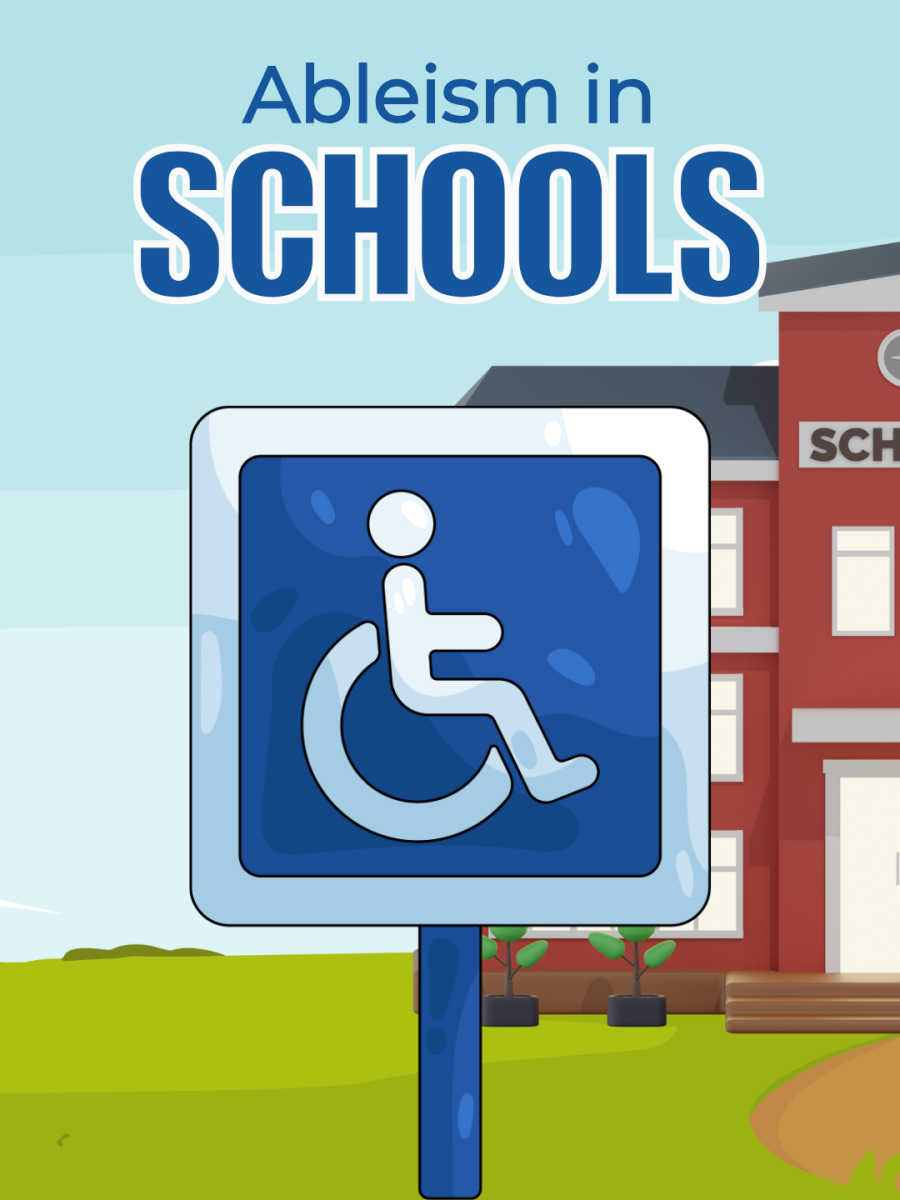
Ableism is the discrimination of disabled individuals, and that also includes microaggressions, which are still common today. According to Calstate.edu, 7/8 high school students who are disabled have reported to experience at least one case of ableist microaggressions. Moreover, those students also reported that such microaggressions can derive from stigmatization or lack of understanding of disabled students.
Finn, a disabled 2D visual arts major at LVA stated, “I’ve witnessed teachers being not accommodating at all, kind of passing it over as a student who wants extra help for no good reason.”
IEPs and 504s are accommodation plans that are granted upon disabled students who are in need of academic support. IEPs purpose is to give students specialized instruction outside of a typical classroom setting, while 504s are focused on giving students accommodations to support functioning in classrooms. However, some students such as Finn stated that some teachers “brush off” those accommodations.
“I would say that I don’t think CCSD puts enough resources into helping students with disabilities to be able to overcome them,” said Mr. Mendler, a special education teacher at LVA.
Furthermore, hi-us.org, an organization that works in situations of poverty and social exclusion has expressed that many teachers have limited to no training in working with students with disabilities. This then led to teachers having ableist assumptions about students with learning disabilities such as them being “lazy” or not accommodating appropriately.
Starting to educate the majority about disabilities and how it affects individuals would unquestionably reduce the amount of stigmatization and microaggressions inflicted upon disabled individuals. Spreading awareness would help abled individuals be more understanding and limit microaggressions, and thus, would improve the lives of disabled students, improving their well-being and education.